Workforce Planning: Aligning Talent with Business Goals
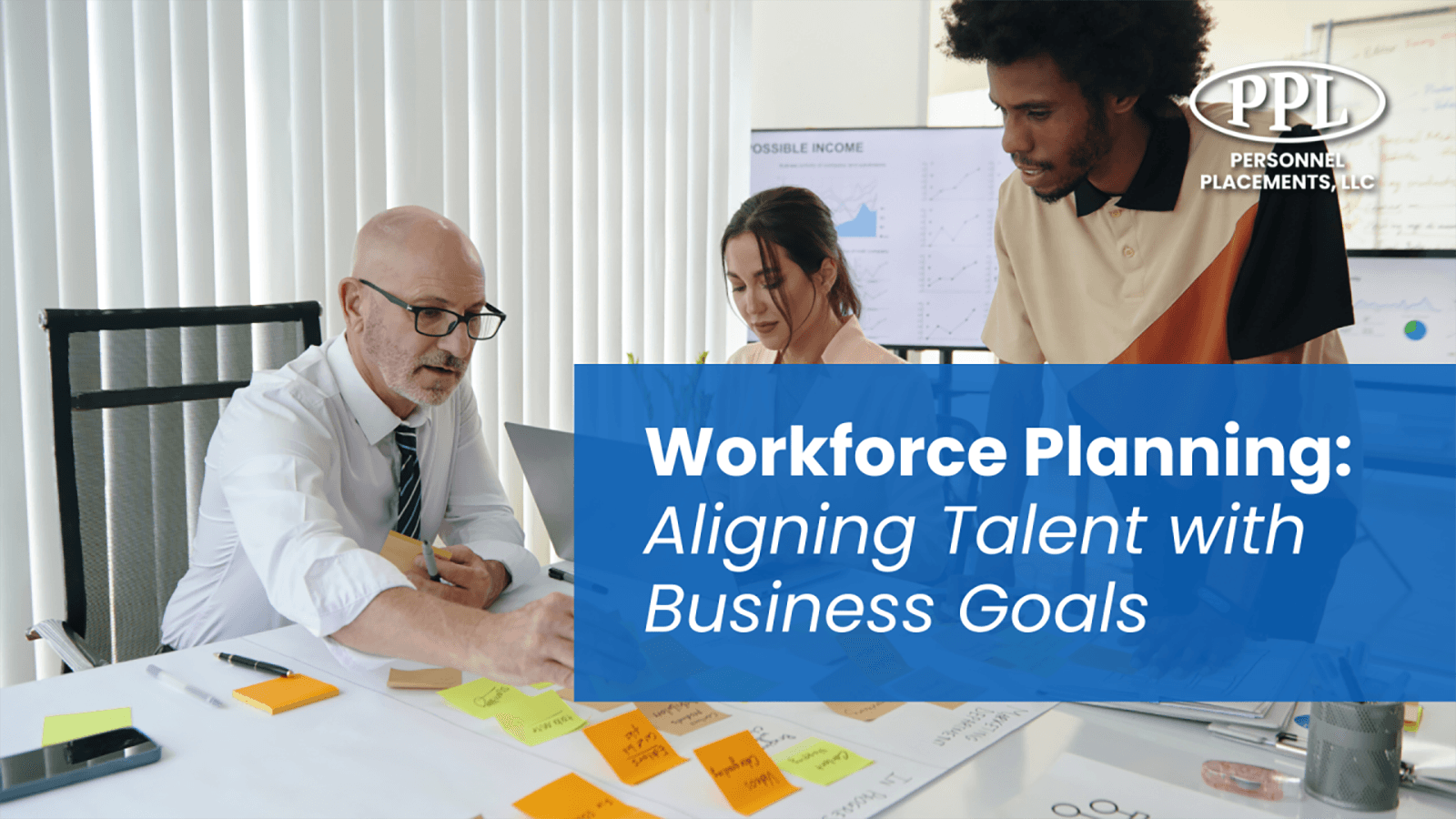
Hiring reactively can lead to talent gaps, overstaffing, or constant turnover. Workforce planning helps employers anticipate needs, align talent strategies with business goals, and prepare for future growth.
What Is Workforce Planning?
Workforce planning is the process of analyzing current talent, forecasting future needs, and developing strategies to ensure the right people are in the right roles at the right time. It combines data, business insight, and strategic foresight.
Why Employers Need Workforce Planning
Without a plan, organizations often scramble to fill roles when vacancies arise. Workforce planning allows employers to:
- Anticipate hiring needs before they become urgent
- Identify skill gaps and training opportunities
- Prepare for retirements or leadership transitions
- Control labor costs and improve efficiency
Key Components of Workforce Planning
Effective workforce planning includes:
- Reviewing current workforce skills and capacity
- Forecasting business growth or seasonal demands
- Identifying critical roles and succession needs
- Developing hiring, training, or outsourcing strategies
This approach creates stability and reduces last-minute hiring pressure.
Benefits Beyond Hiring
Workforce planning supports retention and development by showing employees a clear future within the organization. It also improves budgeting accuracy and helps leadership make informed decisions.
The Employer Advantage
Organizations with strong workforce plans are proactive rather than reactive. They adapt more easily to change and maintain continuity even during periods of growth or uncertainty.
The bottom line: Workforce planning aligns talent strategy with business strategy. Employers who plan ahead build stronger teams and position themselves for sustainable success.


