Upskilling: Preparing Your Workforce for the Future
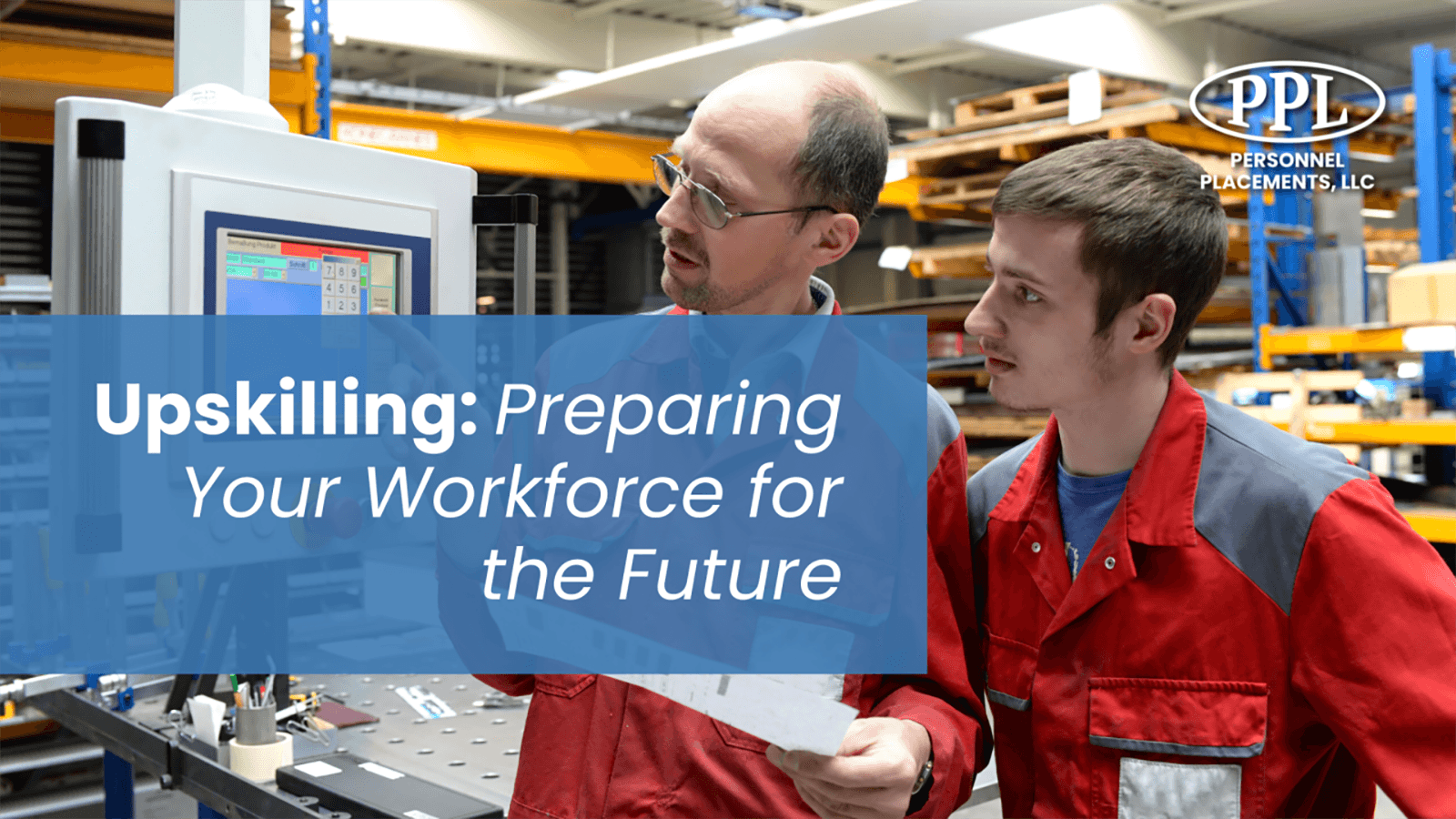
The workplace is evolving faster than ever. Advances in technology, shifting consumer needs, and global competition all mean that the skills employees need today may not be the same ones they’ll need tomorrow. For employers, this presents both a challenge and an opportunity. Upskilling, the process of teaching employees new or advanced skills, is quickly becoming one of the most strategic investments a company can make.
Why Upskilling Matters
Turnover, skill gaps, and recruitment challenges can hold businesses back. Instead of constantly hiring for new skill sets, companies can often achieve better results by developing the employees they already have. Upskilling helps employers:
- Reduce turnover. Employees who see opportunities to grow are more likely to stay.
- Close skill gaps. Training ensures employees keep pace with industry and technology changes.
- Increase adaptability. A workforce that learns continuously can pivot more easily in times of change.
Upskilling isn’t just a retention strategy; it’s a competitive advantage.
Making the Business Case
Upskilling can seem like an added cost, but it’s often less expensive than hiring and training new employees. Recruitment takes time and resources, and turnover can disrupt productivity. By contrast, upskilling strengthens employee loyalty and keeps institutional knowledge in-house.
Employers also benefit from greater innovation. When employees gain new skills, they bring fresh perspectives that lead to better problem-solving and efficiency.
How to Implement Upskilling Effectively
Upskilling doesn’t have to mean launching large-scale training programs. Employers can start small and build gradually. Some effective approaches include:
- Cross-training. Allow employees to learn roles outside their own to build flexibility and reduce bottlenecks.
- Online learning. Offer access to digital courses or certifications employees can complete at their own pace.
- Mentorship. Pair experienced staff with newer employees for hands-on knowledge transfer.
- Workshops and lunch-and-learns. Host short, practical sessions to share expertise across the team.
The key is to align upskilling initiatives with both business needs and employee interests.
Supporting a Culture of Learning
For upskilling to succeed, employers need to build a culture where learning is encouraged and supported. That means:
- Recognizing and rewarding skill development.
- Allowing time during the workday for training.
- Creating clear career paths linked to skill growth.
When employees see that their effort leads to tangible opportunities, motivation rises.
Preparing for the Future
Industries will continue to evolve, and the companies that thrive will be those with adaptable, forward-thinking workforces. Upskilling ensures employees are not just meeting today’s needs but also prepared for tomorrow’s challenges.
The bottom line: Investing in upskilling is investing in your company’s future. By developing your current workforce, you create a stronger, more loyal, and more adaptable team that’s ready to face change head-on.


