Performance Reviews: Driving Employee Growth
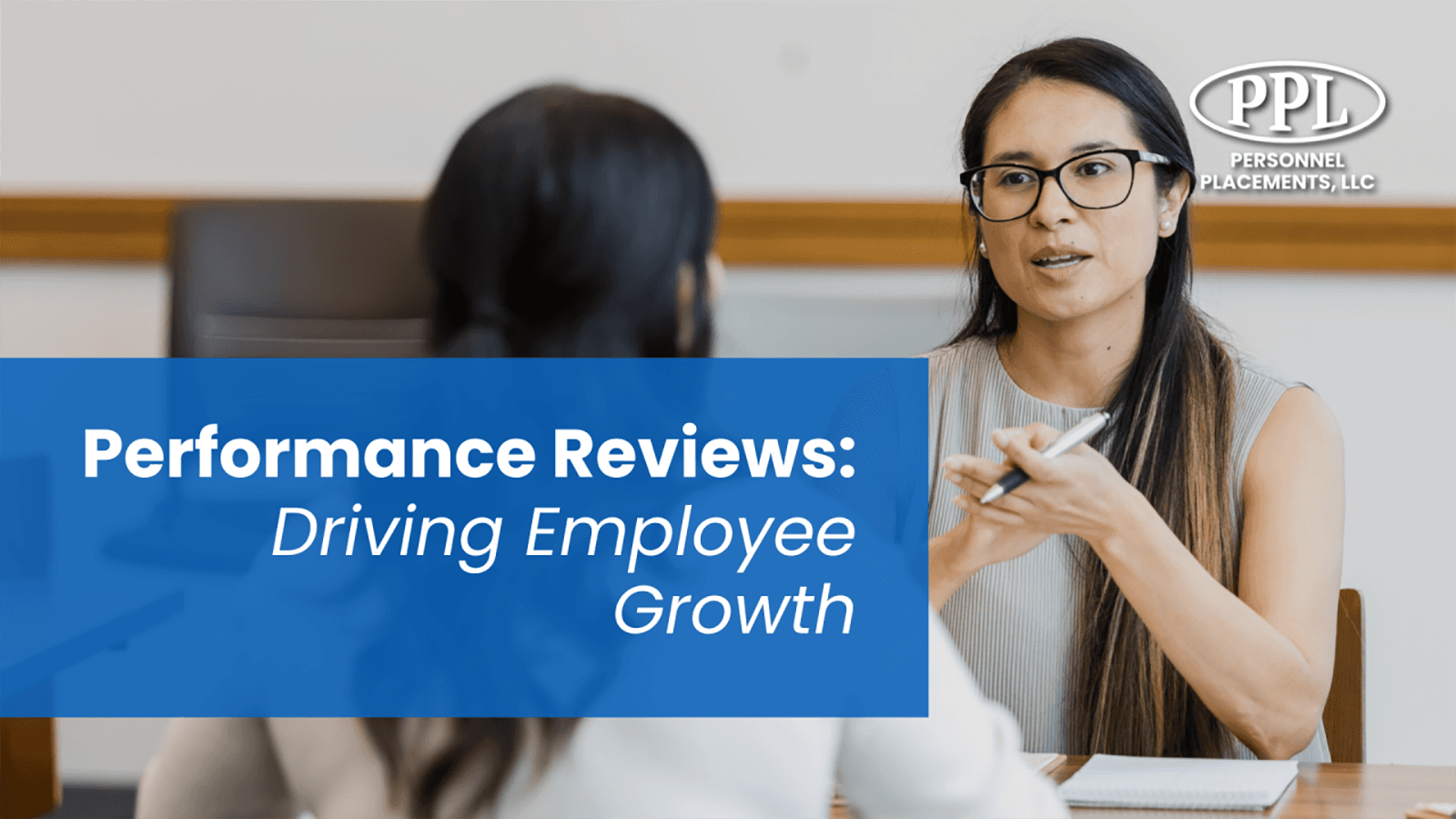
Performance reviews are often viewed as a necessary administrative task rather than a strategic opportunity. When handled poorly, they can feel stressful, unproductive, or disconnected from day-to-day work. When done well, however, performance reviews become a powerful tool for employee development, engagement, and organizational alignment.
Why Performance Reviews Still Matter
Despite shifts toward more flexible and continuous feedback models, structured performance reviews remain valuable. They create a dedicated space for reflection, goal-setting, and two-way communication. Reviews give employees clarity around expectations while giving employers insight into performance trends, skill gaps, and development needs.
For employers, performance reviews help ensure individual contributions align with broader business goals. They also provide documentation that supports compensation decisions, promotions, and succession planning.
Common Challenges Employers Face
Many organizations struggle to make reviews effective due to:
- Infrequent or rushed evaluations
- Vague feedback that lacks actionable direction
- Overemphasis on past mistakes rather than future growth
- Inconsistent standards across teams or departments
These issues can leave employees disengaged and managers frustrated, reducing the overall value of the process.
Shifting from Evaluation to Development
The most effective performance reviews focus on growth rather than judgment. Employers can improve outcomes by:
- Setting clear performance criteria tied to role expectations
- Using specific examples instead of general feedback
- Balancing strengths with areas for improvement
- Encouraging employee self-assessment and dialogue
When employees feel the review process is fair and constructive, they are more likely to stay engaged and motivated.
Creating Ongoing Feedback Loops
Annual reviews should not be the only feedback employees receive. Regular check-ins throughout the year reinforce expectations and prevent surprises during formal evaluations. Continuous feedback helps managers address issues early and recognize progress in real time.
The Employer Advantage
Organizations that approach performance reviews strategically benefit from higher engagement, stronger development pipelines, and improved retention. Employees are more likely to stay when they understand how their work contributes to success and how they can grow within the company.
The bottom line: Performance reviews should be a launch point, not a finish line. When employers focus on development, communication, and alignment, reviews become a meaningful driver of growth rather than a box to check.


