Employee Turnover: The Hidden Costs and Impact
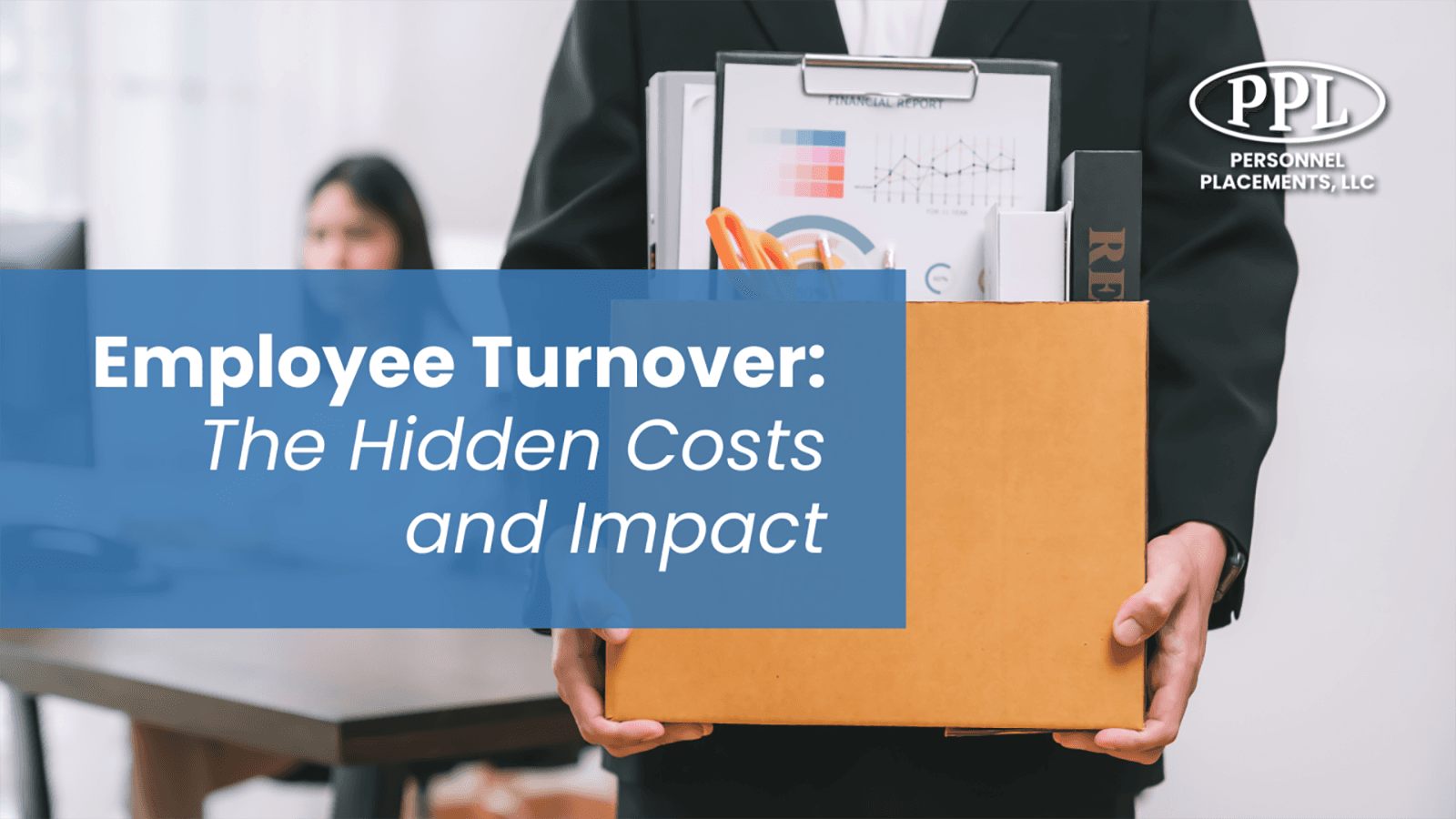
Turnover is a reality in every business, but many leaders underestimate just how expensive and disruptive it can be. It’s easy to think of turnover as simply filling a vacancy, but the true cost goes far beyond posting a new job ad or interviewing a few candidates. When an employee leaves, the effects ripple through the organization, impacting productivity, morale, and even customer experience.
Breaking Down the Real Costs
Turnover involves multiple layers of expense, both visible and hidden. Some of the most common costs include:
- Recruitment Expenses: Job postings, recruiter time, interview scheduling, and background checks all add up.
- Lost Productivity: A vacant position slows down operations. Even when coworkers pick up the slack, productivity often declines because they’re stretched too thin.
- Training and Onboarding: New hires need time to learn systems, processes, and culture. During this period, they’re less efficient and may require extra supervision.
- Overtime for Existing Staff: Remaining employees may work extra hours to cover gaps, which increases payroll expenses and contributes to burnout.
- Quality Issues: Inconsistent staffing often leads to errors, missed deadlines, or reduced service quality.
- Institutional Knowledge Loss: Long-term employees carry valuable insights that can’t be easily replaced. Losing them often means losing critical know-how.
When added together, turnover can cost anywhere from half to two times an employee’s annual salary. And that’s before considering intangible costs like reputation damage or declining employee morale.
Why Employees Leave
To address turnover, employers must first understand why it happens. Common reasons include:
- Limited Growth Opportunities: Employees want to see a path forward in their careers.
- Poor Management: Supervisors who don’t communicate well, recognize contributions, or support development are often cited as top reasons for leaving.
- Work-Life Balance Issues: Excessive hours or rigid schedules push employees to seek alternatives.
- Compensation and Benefits: Pay isn’t everything, but being underpaid compared to market standards is a strong motivator to leave.
- Culture Misalignment: Employees who don’t feel they belong or share company values are less likely to stay.
Exit interviews and employee surveys can uncover these issues and help leaders make meaningful changes.
Strategies to Reduce Turnover
Reducing turnover requires a proactive approach. Some effective strategies include:
-
Invest in Onboarding: A strong onboarding process helps new employees feel supported, confident, and connected from day one.
-
Provide Growth Opportunities: Offer cross-training, career paths, and professional development programs to show employees you’re invested in their future.
-
Communicate Openly: Regular check-ins and transparent discussions build trust and engagement.
-
Recognize Achievements: Recognition doesn’t have to be expensive. Simple thank-yous, public shout-outs, or small rewards can go a long way.
-
Promote Work-Life Balance: Flexible schedules, wellness initiatives, or reasonable workload expectations can prevent burnout.
-
Hire Smarter: Partnering with a staffing agency helps ensure candidates are the right cultural and technical fit, reducing the chance of mismatches that lead to early exits.
The Bigger Picture
Turnover is often seen as just an HR challenge, but it’s really a business performance issue. Every time an employee leaves, the company loses time, money, and knowledge. More importantly, high turnover can damage morale for the employees who stay, leading to further losses.
The good news is that turnover isn’t inevitable. By focusing on employee engagement, investing in retention strategies, and making thoughtful hiring decisions, employers can create a workplace where people want to stay.
Reducing turnover is not only about saving money; it’s about strengthening your workforce and ensuring long-term success.


